
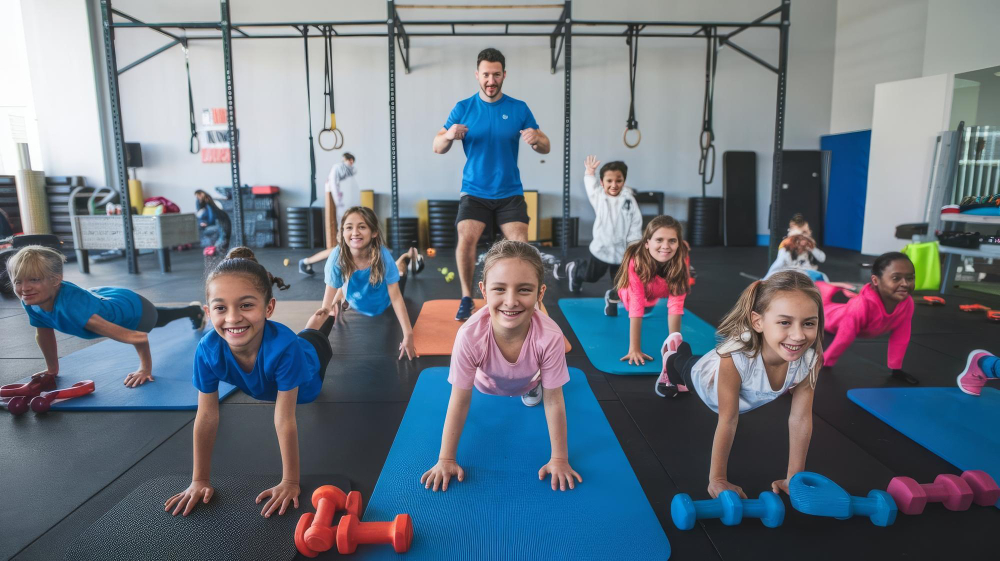
Physical activity in kids means any movement that gets children moving, playing, or exercising. It includes running, jumping, dancing, or even walking to school. In fact, regular physical activity is key for children’s exercise, kids fitness, and healthy child activity. Not only does it help children grow strong, but it also supports their minds and social skills. Because of this, parents and caregivers should know how much exercise kids need and how to make it fun and safe.
Benefits of Physical Activity in Kids
When kids are active, they enjoy many benefits. For example, they feel better, learn better, and make friends more easily. Here are some important benefits:
Additionally, active kids are less likely to develop health problems like diabetes or high blood pressure later in life.
Recommended Guidelines
According to the World Health Organization (WHO) and Centers for Disease Control and Prevention (CDC), children need different amounts of activity based on their age. Here are the main guidelines:
For example, activities like running, jumping rope, or playing sports are great choices. Remember, the best physical activities for children are those they enjoy and want to do often.
Common Barriers and Solutions
Sometimes, families face challenges when trying to keep kids active. However, there are ways to overcome these barriers:
With a little planning, families can find ways to fit activity into daily life.
Fun and Safe Activity Ideas
Kids are more likely to stay active if activities are fun and safe. Here are some ideas for different age groups:
Moreover, always make sure kids wear the right gear, like helmets or pads, when needed. This helps prevent injuries.
Tips for Parents
Parents play a big role in helping kids stay active. Here are some helpful tips:
Because every child is different, it helps to listen to their interests and support them in staying active.
Prevention of Inactivity-Related Issues
When kids do not get enough activity, they may face health risks. For instance, they can gain too much weight or feel tired and sad. In the long run, inactivity can lead to problems like diabetes or heart disease. To prevent these issues, encourage daily movement and limit sitting time. Even small changes, like walking to school, can make a big difference.
Conclusion
In summary, physical activity in kids is vital for their health and happiness. By following guidelines and making activity fun, parents can help children grow strong and confident. For personalized advice on your child’s physical activity needs, consult pediatrician at Meenakshi Clinic .