
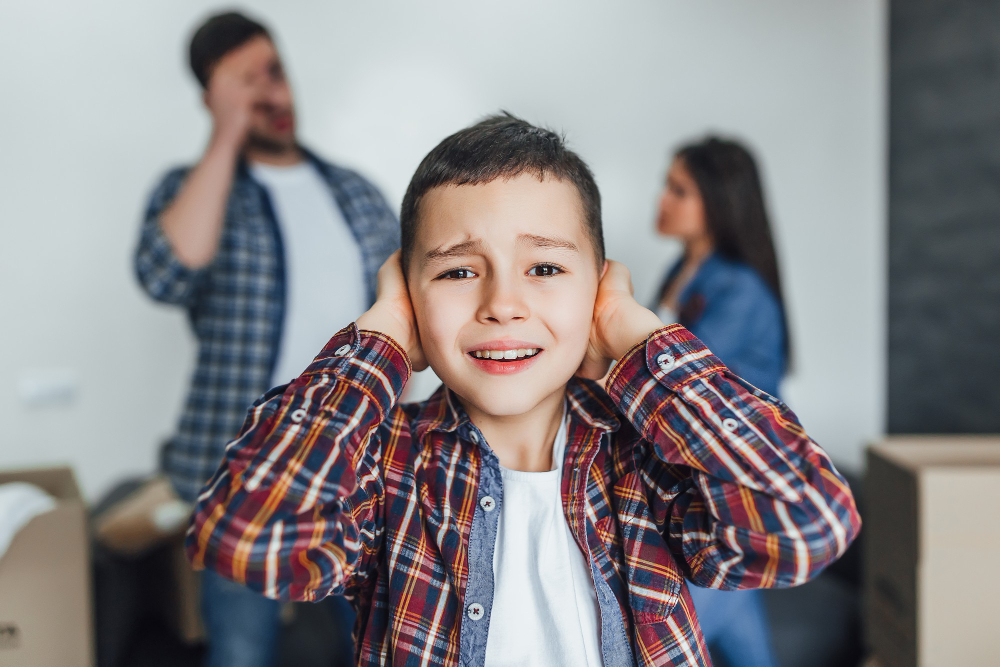
What is Panic Behaviour in Children?
Panic behaviour in children means sudden, intense fear or distress. Often, this fear happens without a clear reason. Sometimes, children may feel overwhelmed or unable to control their emotions. For many parents, seeing panic attacks in children can be scary. However, understanding the signs can help you support your child better. Panic behaviour is different from normal worry. It can affect a child’s daily life, school, and friendships.
Common Symptoms and Warning Signs
Recognizing child anxiety symptoms early is important. While every child is different, some signs are common. For example, you may notice:
Sometimes, children may not talk about their feelings. Instead, they may act out or avoid certain places. Therefore, watching for these warning signs can help you spot panic behaviour early.
Causes and Risk Factors
Many things can cause panic behaviour in kids. For instance, stressful events like moving or starting a new school can trigger anxiety. In addition, family history of anxiety or panic attacks in children may increase risk. Other causes include:
Sometimes, there is no clear cause. But, knowing the risk factors can help parents and caregivers stay alert.
How Panic Behaviour in Children is Diagnosed
Doctors use several steps to diagnose panic behaviour in children. First, they ask about your child’s symptoms and family history. Next, they may do a physical exam to rule out other problems. Sometimes, doctors use special checklists or interviews. These tools help them understand your child’s feelings and behaviour. If needed, your doctor may refer you to a child psychologist or mental health expert. Early diagnosis can lead to better outcomes for your child.
Treatment Options and Management Strategies
There are many ways to manage panic behaviour in kids. Treatment depends on your child’s age and needs. Common options include:
For example, cognitive-behavioral therapy (CBT) helps children change negative thoughts. In addition, parents can learn ways to support their child at home. Managing panic behaviour in kids often takes time, but with the right help, most children improve.
Lifestyle Tips for Parents and Caregivers
Supporting a child with panic behaviour can feel challenging. However, small changes can make a big difference. Try these tips:
Additionally, make sure your child gets enough sleep and exercise. These habits can help reduce anxiety over time.
Prevention and Early Intervention
While not all panic behaviour can be prevented, early action helps. For instance, teaching children coping skills at a young age can lower their risk. Also, talk to your child about changes or worries before they become big problems. If you notice child anxiety symptoms, seek help early. The CDC and WHO recommend early support for better mental health in children.
When to Seek Help
If panic behaviour in children affects daily life, do not wait. Reach out to a pediatric specialist or mental health expert. Early support can help your child feel safe and confident again.
If your child shows signs of panic behaviour, consult a pediatric specialist at Meenakshi Clinic for personalized guidance.