
Introduction
Ear infections in children are common and can cause discomfort. Many parents worry about the signs of ear infection in children. Early recognition is important because untreated infections may lead to complications. If you know what to watch for, you can help your child get the right care. In this blog, you will learn about child ear infection symptoms, why children are more prone to these infections, and the five signs you should never ignore.
What Are Ear Infections in Children?
Ear infections happen when germs cause swelling and fluid buildup behind the eardrum. This area is called the middle ear. Children often get ear infections because their ear tubes are shorter and more narrow than adults. As a result, germs can reach the middle ear more easily. According to the CDC, most children will have at least one ear infection by age three.
Why Are Children Prone to Ear Infections?
Children are more likely to get ear infections for several reasons. First, their immune systems are still developing. Second, their ear tubes can get blocked more easily. Third, children often catch colds, which can lead to ear problems. Because of these factors, pediatric ear infection care is a common need.
1. Persistent Ear Pain or Tugging
One of the most common signs of ear infection in children is ear pain. Sometimes, young children cannot say they have pain. Instead, they may pull or tug at their ear. If your child keeps touching or rubbing their ear, pay attention. This can be a sign that something is wrong. Even if the pain seems mild, it should not be ignored.
2. Trouble Hearing or Responding
Another important sign is trouble hearing. For example, your child may not respond to sounds or may turn up the TV louder than usual. This happens because fluid in the ear can block sound. If you notice changes in your child’s hearing, it is best to talk to a doctor.
3. Fever That Does Not Go Away
Many children with ear infections develop a fever. While a mild fever is common with many illnesses, a high or lasting fever can be a warning sign. If your child’s fever lasts more than two days or is above 102°F, you should seek medical help. This may mean the infection is getting worse.
4. Fluid Draining from the Ear
Sometimes, you may see fluid or pus coming from your child’s ear. This can look yellow, white, or even bloody. Fluid draining from the ear is not normal and often means the eardrum has burst. Although this can relieve pain, it needs medical attention right away. Do not try to clean deep inside the ear yourself.
5. Unusual Fussiness or Trouble Sleeping
Children with ear infections may become more fussy or have trouble sleeping. For instance, your child may cry more than usual or wake up often at night. Because lying down can make ear pain worse, sleep problems are common. If your child is much more irritable than normal, consider an ear infection as a possible cause.
When to See a Doctor for Ear Infection
If your child shows any of these five signs, it is important to see a doctor. Early treatment can prevent problems and help your child feel better. You should also seek care if your child is younger than six months and has a fever, or if symptoms last more than two days. For families looking for pediatric care in your area, many clinics offer same-day appointments for ear pain.
Diagnosis and Treatment Options
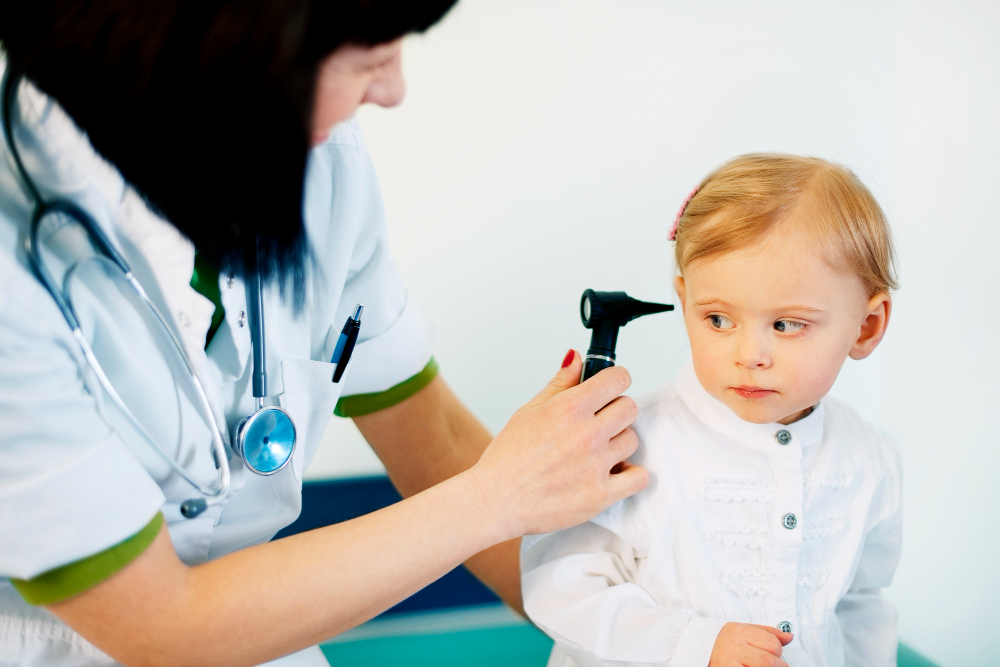
Doctors diagnose ear infections by looking inside the ear with a special tool. Sometimes, they may check for fluid behind the eardrum. Treatment depends on the cause and severity. Often, mild infections get better on their own. However, some children need antibiotics. Your doctor will decide what is best for your child. Pain relief, such as acetaminophen or ibuprofen, can help with discomfort. Always follow your doctor’s advice on medicine use.
Prevention Tips and Home Care Guidance
There are steps you can take to lower your child’s risk of ear infections:
At home, you can help your child feel better by keeping them comfortable and offering fluids. But if symptoms get worse, always seek medical help.
Conclusion
In summary, ear infections in children are common but can be serious if ignored. Watch for these five signs and act quickly if you notice them. If your child shows any of these signs, consult a pediatrician at Meenakshi Clinic for personalized care.