
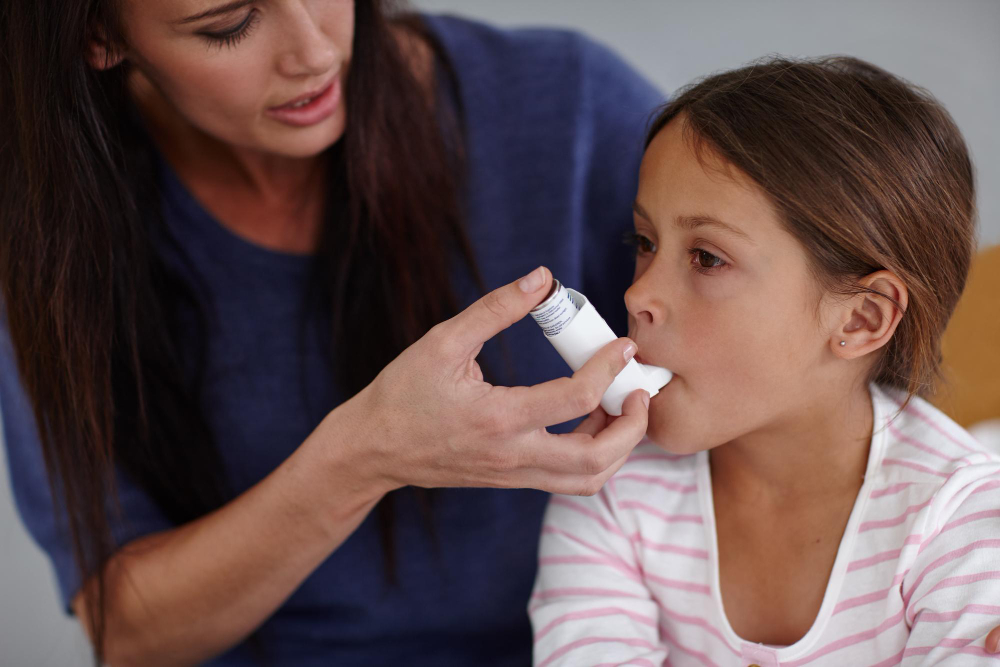
Asthma in children is a common condition that affects breathing. Many parents worry when their child has trouble breathing or coughs often. However, with the right care, most children with asthma can lead active lives. In this blog, we will explain what asthma in children is, its symptoms, causes, diagnosis, treatment options, and ways to prevent attacks. We will also share tips for managing asthma in kids at home.
What is Asthma in Children?
Asthma in children is a long-term lung condition. It causes the airways to become swollen and narrow. As a result, children may find it hard to breathe. The airways may also make extra mucus, which can make symptoms worse. Although asthma can start at any age, it often begins in childhood. According to the Centers for Disease Control and Prevention (CDC), asthma is one of the most common chronic diseases in children.
Common Symptoms of Childhood Asthma
Children with asthma may show different symptoms. Sometimes, these signs are mild. Other times, they can be severe. Early recognition helps in managing asthma in kids effectively. Common childhood asthma symptoms include:
Sometimes, symptoms get worse with colds, allergies, or cold air. If you notice these signs, it is important to talk to your doctor.
Causes and Risk Factors
While the exact cause of asthma in children is not fully known, several factors can increase the risk. For example, a family history of asthma or allergies makes it more likely. Other risk factors include:
Additionally, children who have eczema or hay fever may be more likely to develop asthma. Understanding these risks can help parents take steps to protect their child.
How is Asthma Diagnosed in Children?
Doctors use several methods to diagnose asthma in children. First, they ask about symptoms and family history. Then, they may perform a physical exam. In some cases, doctors use breathing tests, such as spirometry, to check lung function. However, these tests may be hard for very young children. Sometimes, doctors may try asthma medicines to see if symptoms improve. If they do, this can help confirm the diagnosis. Early diagnosis is key for effective pediatric asthma treatment.
Treatment Options for Childhood Asthma
There are many ways to treat asthma in children. The main goals are to control symptoms and prevent attacks. Treatment plans are often tailored to each child. Common options include:
Doctors may adjust medicines as your child grows. It is important to follow the treatment plan closely. This helps keep asthma under control and reduces the risk of severe attacks.
Lifestyle Tips and Home Management
Managing asthma in kids at home is very important. With a few changes, you can help your child feel better. Here are some helpful tips:
Furthermore, keeping track of symptoms can help you spot early warning signs. This allows you to act quickly if your child’s asthma gets worse.
Preventing Asthma Attacks in Children
Although asthma cannot be cured, you can help prevent attacks. Prevention starts with knowing your child’s triggers. For example, some children react to pollen, dust, or pet dander. Others may have attacks after exercise or when they catch a cold. To reduce the risk of asthma attacks:
By taking these steps, you can help your child stay healthy and active.
When to See a Doctor
It is important to know when to seek medical help. You should call your doctor if:
In any emergency, call for help right away. Quick action can save lives.
In summary, asthma in children can be managed with the right care and support. Early diagnosis, proper treatment, and lifestyle changes make a big difference. Consult a pediatrician at Meenakshi Clinic for personalized advice on managing asthma in children.