
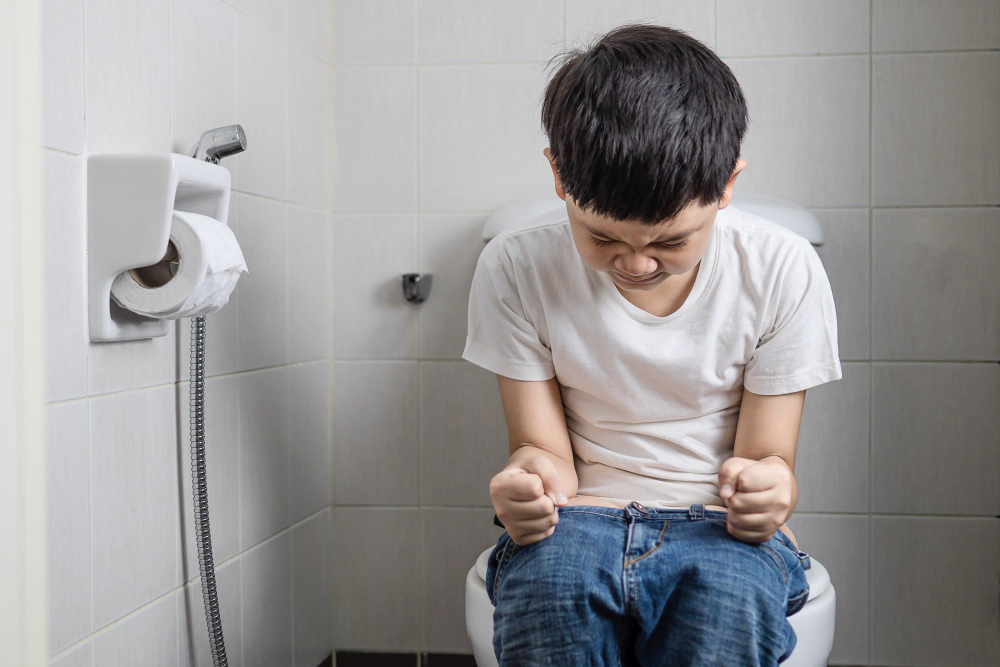
What Is Childhood Constipation?
Childhood constipation happens when a child has trouble passing stools or does not go to the bathroom often. Usually, kids should have soft, regular bowel movements. However, sometimes stools become hard or less frequent. As a result, your child may feel pain or discomfort. Constipation in children is common and can affect kids of any age. According to the Centers for Disease Control and Prevention (CDC), many children experience constipation at some point. But, most cases are mild and easy to treat at home.
Common Causes of Childhood Constipation
Several factors can lead to constipation in children. Although each child is different, some causes are more common than others. For example, changes in diet or routine can affect bowel habits. Here are some frequent reasons:
Sometimes, stress or emotional changes can also play a role. For instance, moving to a new city or starting a new school may cause changes in bathroom habits.
Warning Signs and Symptoms to Watch For
It is important to know the signs of constipation in kids. While some children may not complain, others show clear symptoms. For example, you may notice:
In some cases, children may avoid the bathroom or show fear when asked to use the toilet. If you notice these signs, it may be time to help your child or seek advice.
When to Consult a Pediatrician
Most mild cases of constipation in children can be managed at home. However, there are times when you should see a pediatrician. For instance, contact your doctor if your child:
Additionally, if home remedies do not help after a few days, it is best to ask your pediatrician for advice. Early care can prevent problems from getting worse. The World Health Organization (WHO) recommends seeing a doctor if constipation is severe or ongoing.
Tips for Supporting Your Child’s Digestive Health
Supporting your child’s digestive health can help prevent constipation. For example, you can:
Sometimes, making small changes can make a big difference. If your child is picky about certain foods, try adding new fruits or vegetables slowly. In many cases, these habits help keep your child’s bowels moving regularly.
Prevention Strategies for Childhood Constipation
Preventing constipation in kids is easier than treating it. Therefore, focus on healthy habits every day. Here are some prevention strategies:
For families in your local area, check with your pediatrician for more tips. In some cities, local clinics offer nutrition classes for parents. By staying informed, you can help your child avoid constipation and feel their best.