
What is Premature Birth?
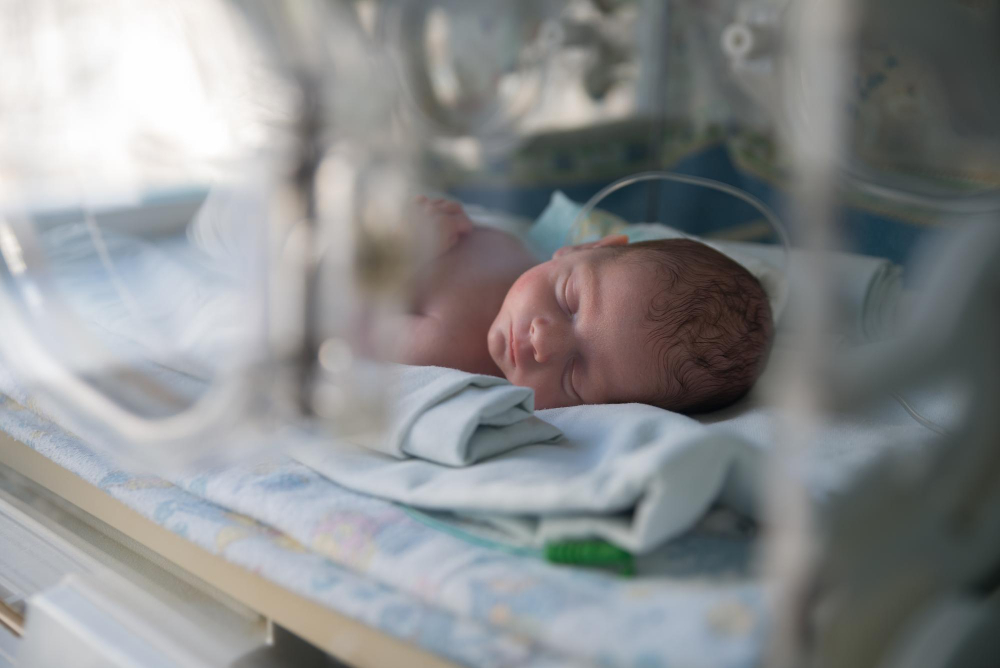
Premature birth happens when a baby is born before 37 weeks of pregnancy. Usually, a full-term pregnancy lasts about 40 weeks. Because of this early arrival, premature babies may face health challenges. In pediatrics, doctors pay close attention to these babies. Early care can help them grow and develop well. Premature birth is more common than many people think. According to the World Health Organization (WHO), about 1 in 10 babies worldwide are born too soon.
Causes of Premature Birth
There are many reasons why premature birth can happen. Sometimes, the cause is not clear. However, certain factors can increase the risk. For example, some health conditions or lifestyle choices may play a role. Understanding these causes helps doctors provide better care for premature babies.
Because some causes can be managed, regular prenatal care is important.
Symptoms and Signs
Premature babies often show certain signs right after birth. Since they arrive early, their bodies may not be fully developed. As a result, they may need special care. Parents and caregivers should watch for these symptoms.
Because these symptoms can be serious, early medical attention is needed.
Diagnosis of Premature Birth
Doctors use several ways to diagnose premature birth in pediatrics. First, they check the baby’s age at birth. Next, they look at the baby’s weight and physical signs. Sometimes, special tests are needed. Early diagnosis helps doctors plan the right care for premature babies.
Because every baby is different, doctors may use more than one method.
Treatment and Care for Premature Babies
Premature babies need special care right after birth. Often, they stay in a neonatal intensive care unit (NICU). Here, doctors and nurses watch them closely. The goal is to help the baby grow and avoid problems. Treatment depends on how early the baby was born and their health needs.
Because care for premature babies is complex, a team of specialists is often involved.
Prevention Tips
While not all premature births can be prevented, some steps can lower the risk. Early and regular prenatal care is key. In addition, healthy habits during pregnancy help protect both mother and baby.
Because every pregnancy is unique, talk to your healthcare provider about your risks.
Living with a Premature Baby: Parental Guidance
Caring for a premature baby can feel overwhelming. However, with the right support, parents can help their baby thrive. After leaving the hospital, follow-up visits are important. These check-ups help track your baby’s growth and development. In addition, parents should watch for any signs of illness and seek help when needed.
Because every baby is different, your doctor can give advice tailored to your child’s needs.
Conclusion
Premature birth can bring unique challenges because a baby’s organs may not yet be fully developed. Recognizing the signs of preterm labor and receiving timely medical care can help reduce complications and support the baby’s growth and development.
For expert pregnancy care and guidance throughout the journey, consult the specialists at Meenakshi Clinic today.