Introduction
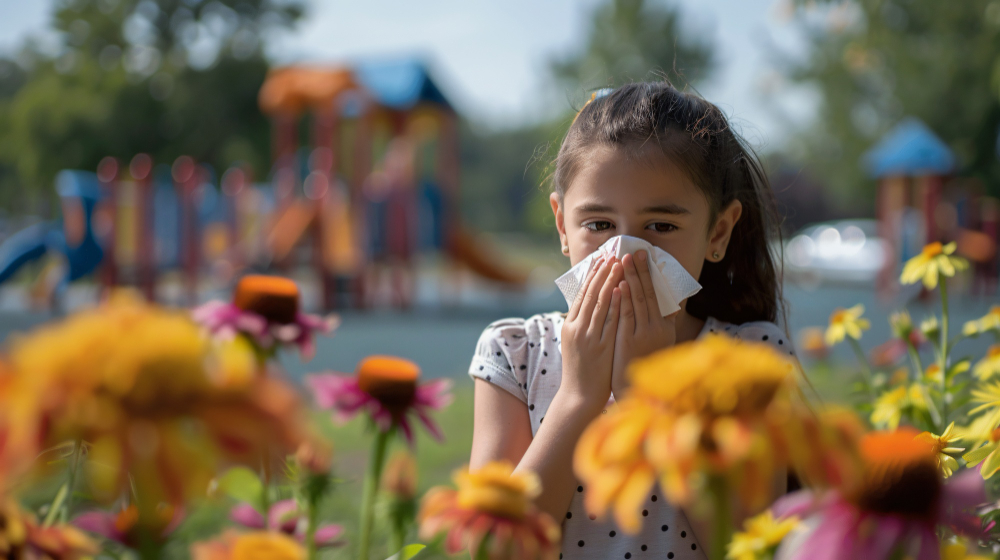
Childhood allergies are common and can affect a child’s daily life. These allergies happen when a child’s immune system reacts to harmless things like pollen or certain foods. Because allergies can cause discomfort or even serious reactions, it is important for parents to know the signs. Early recognition helps children stay safe and healthy. According to the CDC, allergies are one of the most common health issues in children. Therefore, understanding childhood allergies and their impact is key for every family.
Common Triggers of Childhood Allergies
Many things can trigger allergies in children. Some triggers are found indoors, while others are outside. Knowing these can help you protect your child. For example, some triggers are more common in certain locations or seasons.
Additionally, air pollution and cigarette smoke may make allergy symptoms worse. In some areas, certain plants or weather patterns can increase allergy risks.
Warning Signs and Symptoms
It is important to spot allergy symptoms in kids early. While symptoms can vary, some are more common than others. Watch for these warning signs:
Sometimes, symptoms may be mild. However, severe reactions like trouble breathing need quick medical help. Always watch for changes after your child is exposed to possible allergy triggers.
Diagnosis and When to Seek Help
If you notice childhood allergy symptoms, it is wise to talk to your child’s doctor. The doctor may ask about your child’s health history and do a physical exam. Sometimes, allergy tests are needed. These tests can include skin prick tests or blood tests. They help find out what is causing the allergy. If your child has trouble breathing, swelling, or severe reactions, seek emergency care right away. Early diagnosis helps manage allergies and prevent serious problems.
Prevention and Lifestyle Tips
While you cannot always prevent allergies, some steps can lower your child’s risk. For example, keeping your home clean and free of dust helps. Here are some simple tips:
Additionally, regular check-ups with your doctor can help manage allergies. Your doctor may suggest medicines or other treatments to control symptoms.
Conclusion
In summary, childhood allergies are common but manageable. Knowing the triggers and warning signs helps you protect your child. If you notice symptoms or have concerns, consult at Meenakshi Clinic for personalized guidance on managing childhood allergies.