What Are Childhood Allergies?
Childhood allergies are common health issues that affect many children. These allergies happen when a child’s immune system reacts to harmless things, like pollen, food, or dust. As a result, the body treats these things as threats. This reaction can cause uncomfortable symptoms. According to the CDC, allergies are one of the most common chronic conditions in children. Early understanding helps parents manage and prevent allergy problems.
Common Symptoms of Childhood Allergies
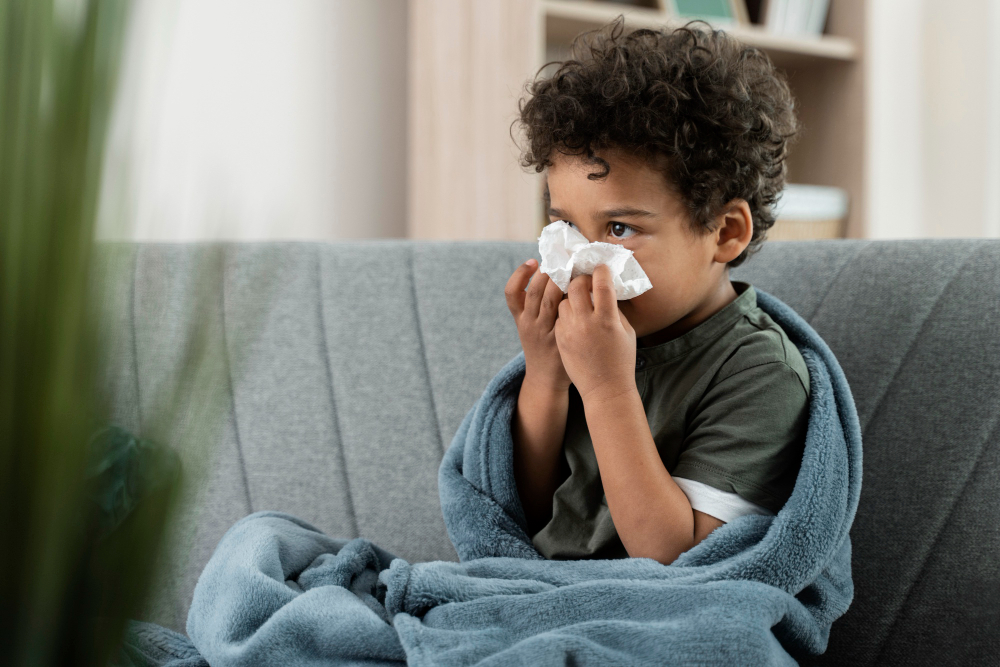
Allergy symptoms in children can vary. However, some signs are more common than others. Recognizing these symptoms early can help you seek the right care. For example, children may show symptoms soon after contact with an allergen.
Sometimes, symptoms can be mild. Other times, they may be severe and need quick medical help.
Main Causes and Risk Factors
Many things can cause childhood allergies. For instance, some children react to pollen, pet dander, or certain foods. Others may be sensitive to insect stings or medicines. But why do some kids develop allergies?
Additionally, children with parents or siblings who have allergies are more likely to develop them. Early exposure to certain allergens can also increase risk.
Diagnosis Methods
Doctors use several methods to diagnose childhood allergies. First, they will ask about your child’s symptoms and family history. Next, they may suggest allergy tests. These tests help find out what triggers your child’s symptoms.
After testing, your doctor will explain the results and suggest the best treatment plan.
Treatment Options for Childhood Allergies
There are many ways to treat childhood allergies. The right treatment depends on the type and severity of the allergy. For example, some children may only need to avoid certain triggers. Others may need medicine or special care.
Always follow your doctor’s advice for pediatric allergy treatment. Never give new medicine without checking with your healthcare provider.
Lifestyle Tips for Managing Allergies
Managing allergies in children can be easier with a few lifestyle changes. For instance, you can help your child avoid known triggers. In addition, keeping your home clean can reduce allergens.
Moreover, teach your child about their allergies. This helps them stay safe at school and with friends.
Prevention Strategies
While not all allergies can be prevented, some steps may lower the risk. For example, breastfeeding may help protect babies from allergies. Also, introducing new foods one at a time can help spot reactions early.
Finally, regular check-ups with your pediatrician can help catch allergy symptoms early. Early action can make a big difference in your child’s health.
Conclusion
Childhood allergies can be managed with the right knowledge and care. However, every child is different. Therefore, consult a pediatrician at Meenakshi Clinic for personalized advice on managing childhood allergies.