
What is Childhood Obesity?
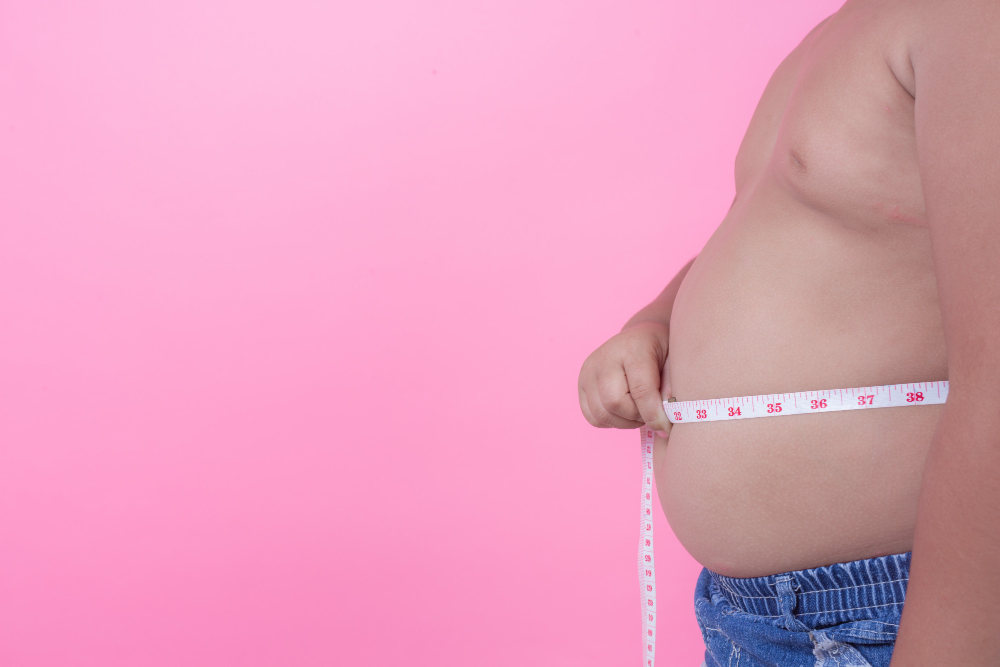
Childhood obesity means a child has too much body fat for their age and height. This condition is also called pediatric obesity. It can affect a child’s health now and in the future. In fact, childhood obesity is a growing problem worldwide, including in the United States. According to the Centers for Disease Control and Prevention (CDC), about 1 in 5 children in the U.S. are affected. Early child weight management is important to prevent health problems later. Preventing obesity in children helps them stay healthy as they grow.
Common Symptoms of Childhood Obesity
Sometimes, it is hard to notice childhood obesity right away. However, there are signs you can look for. For example, children with obesity may:
But, not all children with extra weight have health problems. Still, it is important to watch for these symptoms and talk to a doctor if you notice them.
Causes and Risk Factors
Many things can lead to childhood obesity. Often, it is not just one cause. Instead, several factors work together. Some common causes and risk factors include:
Because these factors can add up, it is important to address them early. For example, making small changes at home can help lower the risk.
How Childhood Obesity is Diagnosed
Doctors use a simple test called Body Mass Index (BMI) to check for childhood obesity. BMI compares a child’s weight and height. Then, the doctor looks at growth charts for age and gender. If a child’s BMI is higher than most children of the same age and sex, they may be diagnosed with obesity. Sometimes, doctors may also check for other health problems, such as high blood pressure or diabetes. Early diagnosis helps with better child weight management and treatment.
Treatment Options for Childhood Obesity
Treating childhood obesity often means making healthy changes as a family. Doctors may suggest:
Sometimes, a doctor may recommend seeing a dietitian or counselor. In rare cases, medicine or surgery may be needed. However, most children improve with lifestyle changes.
Lifestyle Tips and Prevention Strategies
Preventing obesity in children starts with small, daily steps. For instance, you can:
Because children learn from adults, your actions matter. Even small changes can make a big difference over time.
When to Consult a Pediatrician
If you notice your child is gaining weight quickly, it is wise to talk to a pediatrician. Also, if your child feels sad, tired, or has trouble with daily activities, seek help. Early support can prevent health problems and boost your child’s confidence. A doctor can guide you on the best steps for your family.
In summary, childhood obesity is a serious health issue, but it can be managed and prevented. For personalized advice on childhood obesity, consult a pediatrician at Meenakshi Clinic.